A place in a nursing home rarely comes at a convenient moment. The care institution rings, a room is free and you have to decide within a few days. The move itself is small: a chair, a small cabinet, clothes and photographs. The big job comes afterwards, because a home is left behind that has sometimes been lived in for forty years.
As long as that home is there, the fixed costs carry on alongside the personal contribution for the care. Even so, haste is a poor adviser here. The order is: first what goes along, then the family, and only then the rest.
Care home or nursing home?
In everyday Dutch people still say verzorgingshuis, a care home, but that no longer exists in its old form. The light care profiles with which someone used to go to a care home were abolished in 2013 and 2014. Anyone moving to an institution now has an assessment from the CIZ for the Long-Term Care Act (Wlz). In practice that means a nursing home or a small-scale residential setting.
For the house the name makes little difference. It comes down to the same thing: your father or mother goes from a house with several rooms to one room, and does not come back.
What goes along to the new room?
How large a room is and what may stand in it differs from one institution to another. There is no national standard. So ask for the house rules and the dimensions before you pack anything. Often there is already a height-adjustable bed belonging to the institution, and you may not make any major changes to the room itself.
- Measure first, choose afterwardsDraw the room to scale, with the door, the window and the bed in it. What still fits after that is usually less than you hoped.
- Let your parent chooseTheir own chair, the sideboard with the photographs on it, the clock that always hung in the living room. Familiar belongings help with settling in, certainly with dementia.
- Clothes for one seasonThe wardrobe is small. Leave the rest hanging at home until you know what is really being worn, and label everything with a name for the laundry.
- No papers to the institutionPolicies, bank post and deeds go to whoever does the administration.
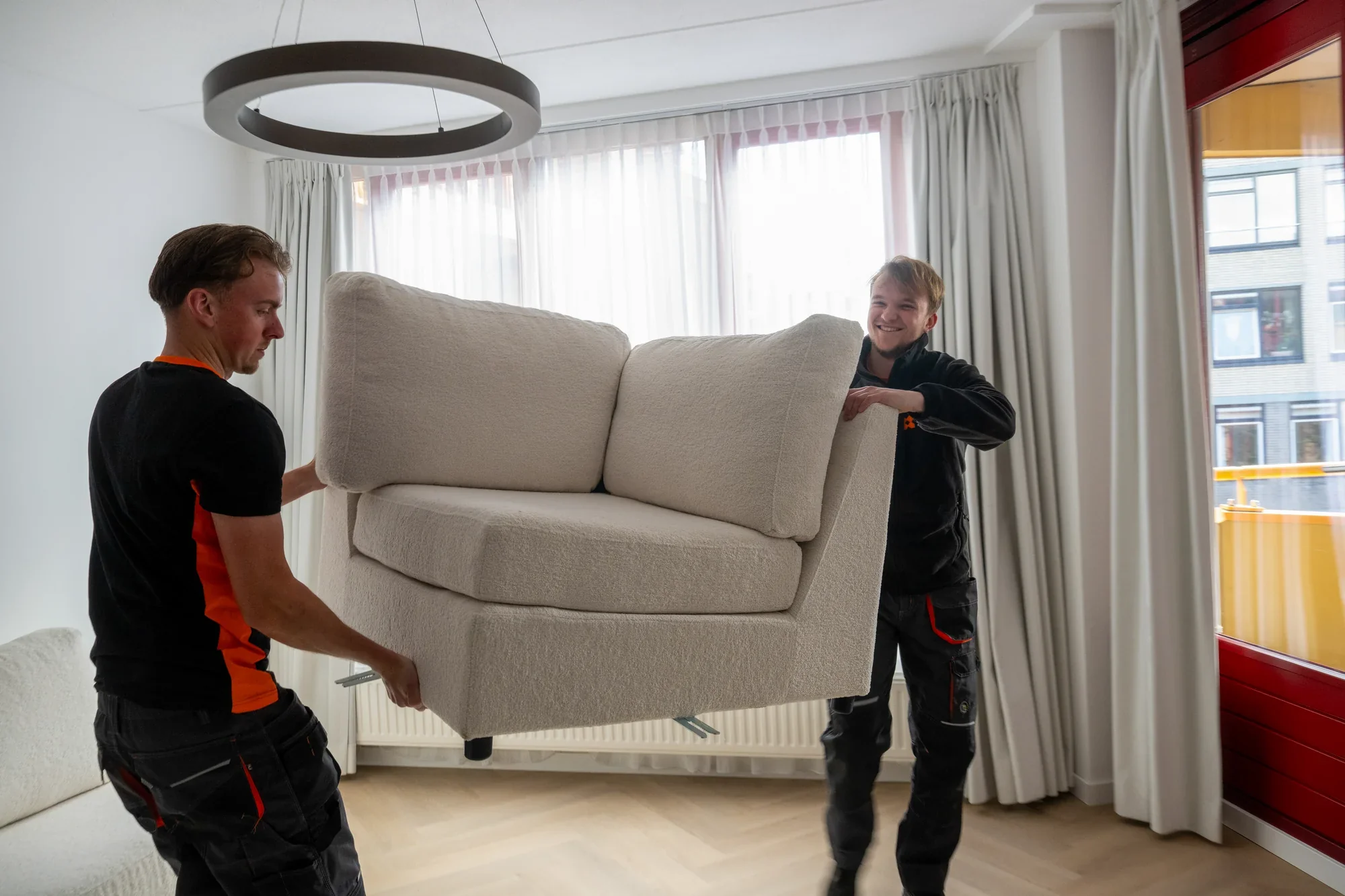
Put everything that is going along together in one room. Then everyone, including us, knows that those belongings stay outside the clearance. If you like, we take them to the new room and put them in place there.
Giving notice on the rented home
For a tenant the notice period is at least one month and at most three. With most housing associations it is one month. We have not found a shorter period for admission to a care institution at the housing associations in our region, so count on at least a month of double costs.
Many families wait a few weeks before giving notice, to see whether the new place suits. That is understandable, but every month of waiting costs a month of rent. Talk it over with the care institution: they know whether a return home is still realistic.
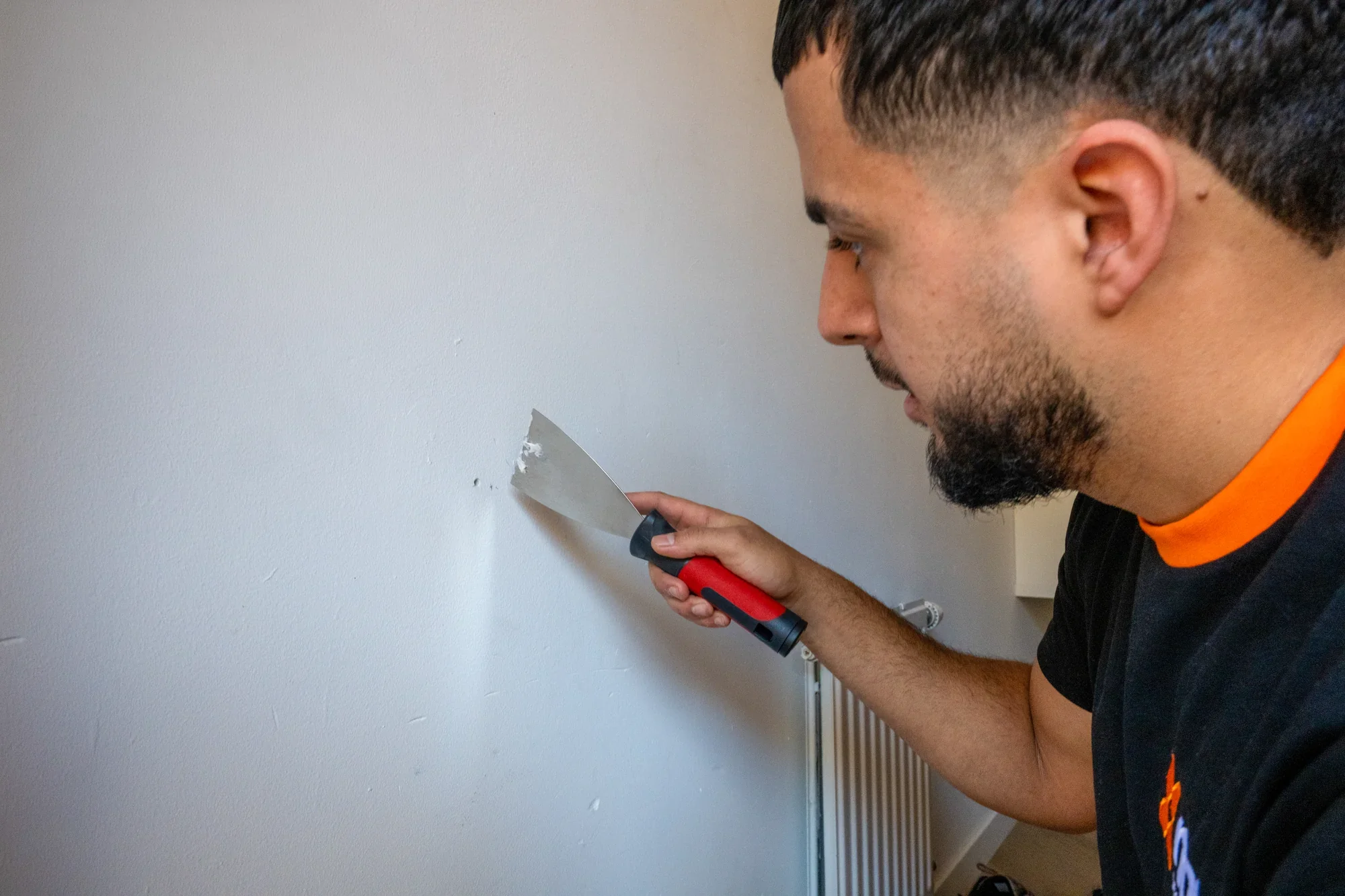
Ask for the pre-inspection straight after giving notice. That report states which floors, curtain rails and alterations have to come out. You can read how such an inspection goes in the checklist for handing over a rented home broom clean.
If your partner stays living at home
Then little changes for the home. A spouse or registered partner is automatically a co-tenant and the tenancy simply continues. The rent benefit does change as soon as the admitted partner is registered at the address of the institution. Report that to the Dutch benefits office (Dienst Toeslagen), otherwise you will have to pay money back later.
An owned home: mind the two-year period
With an owned home there is no landlord naming a date, but the Dutch Tax Administration does. After admission to a nursing home the property remains an owner-occupied home in box 1 for a maximum of two more years, with mortgage interest relief. If you let the property during that time, that lapses immediately.
After two years the property moves to box 3. From that moment its value counts as assets, including for the personal contribution to the CAK. If the partner stays living there, this does not apply.
So selling does not have to happen in the first month, but waiting endlessly costs money. An estate agent also usually wants to photograph the property empty or tidied. Put the choice to a tax adviser, because the outcome depends on the mortgage and the other assets.
What the stay costs
The personal contribution for the Long-Term Care Act runs through the CAK and depends on income and assets. These are the amounts for 2026:
| Type of contribution | Per month | When |
|---|---|---|
| Low personal contribution | € 212,60 to € 1.115,80 | The first four months, and permanently if the partner lives at home |
| High personal contribution | € 0 to € 3.061,80 | From the fifth month |
The CAK calculates with the income and assets of two years earlier, so for 2026 with those of 2024. Of the assets above € 36.952 for a single person, 4 per cent counts as income. The first four months are meant for winding up the old home. After that the contribution goes up, and if rent or mortgage are still running by then, you pay twice.
Clearing the house in four steps
- 1. What goes along to the roomThat has already gone in the first week. We can take it to the care home for you.
- 2. What the family wants to keepAgree on one weekend when everyone comes. Whatever is still there after that, nobody wants.
- 3. Papers and valuablesThese go to the court-appointed mentor, the administrator (bewindvoerder) or the child who does the administration. Look in coat pockets, books and the linen cupboard as well.
- 4. The restFurniture, crockery, the shed and the loft. This is the part most families hand over to someone else.
Involve your father or mother if that is possible. The belongings remain theirs, even if they no longer live there. Photographs of the rooms help: then someone can point out from the new chair what still has to be collected. And if there is a mentor or administrator, that person has a say in decisions about the contents.
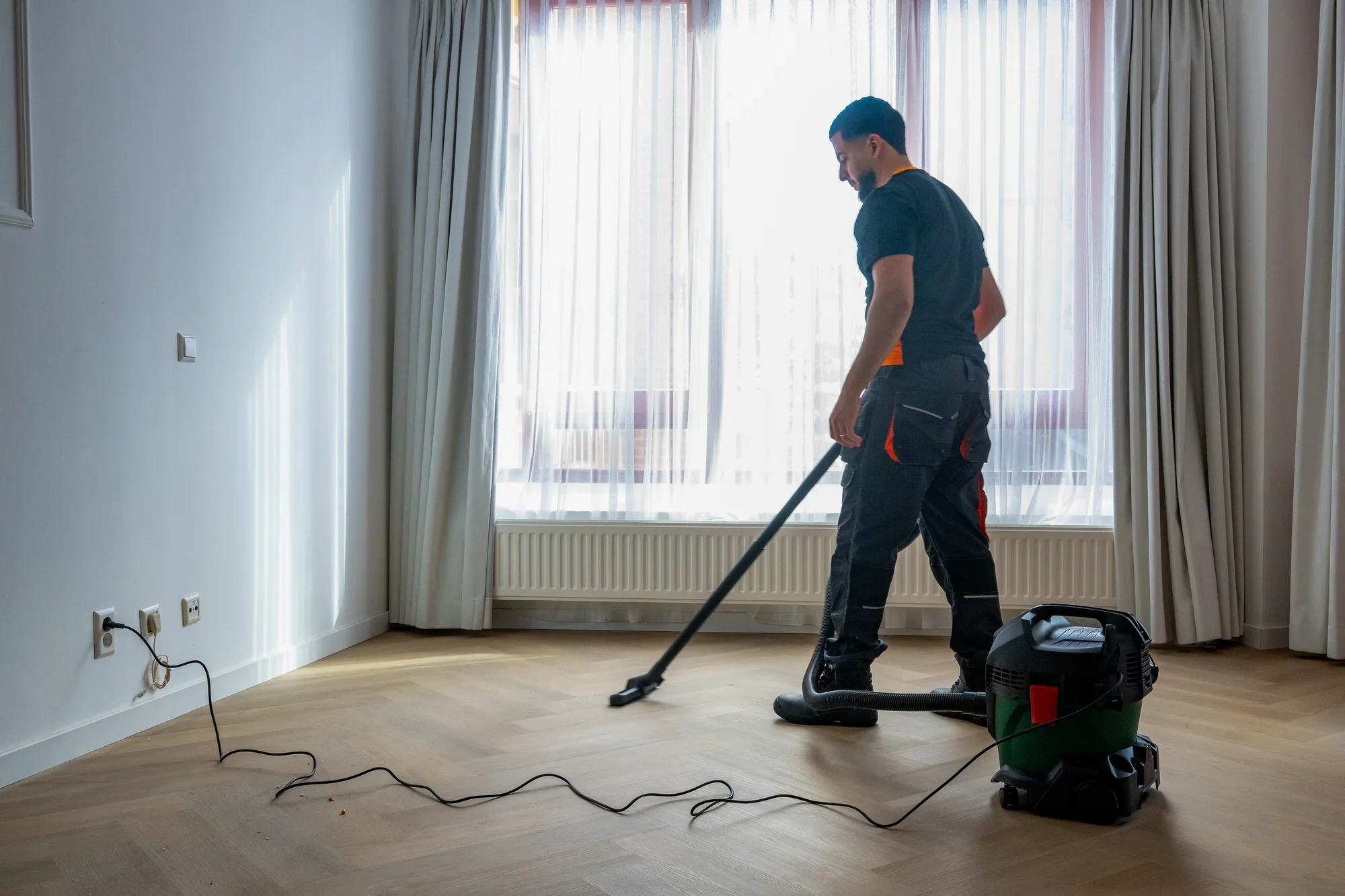
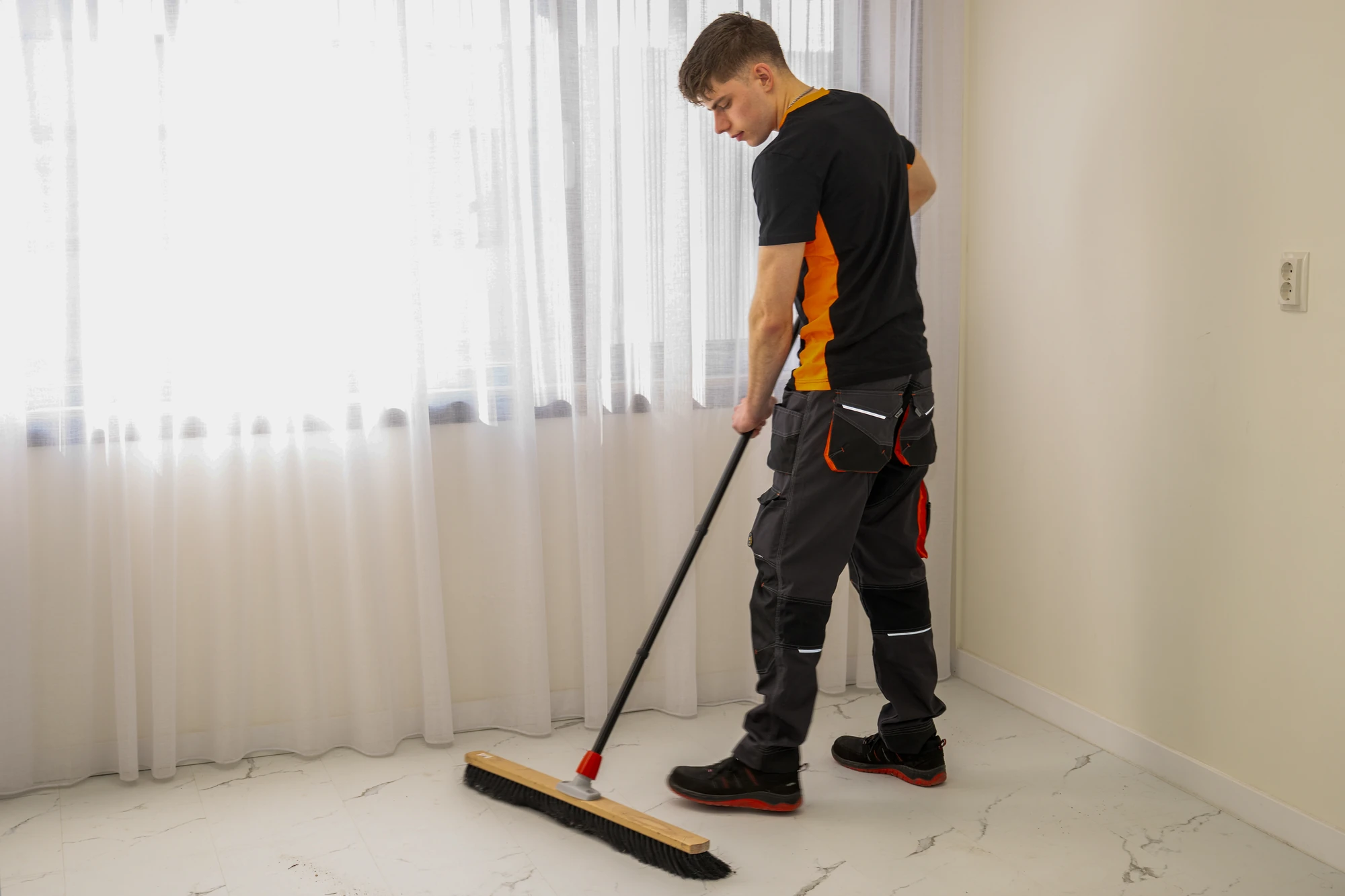
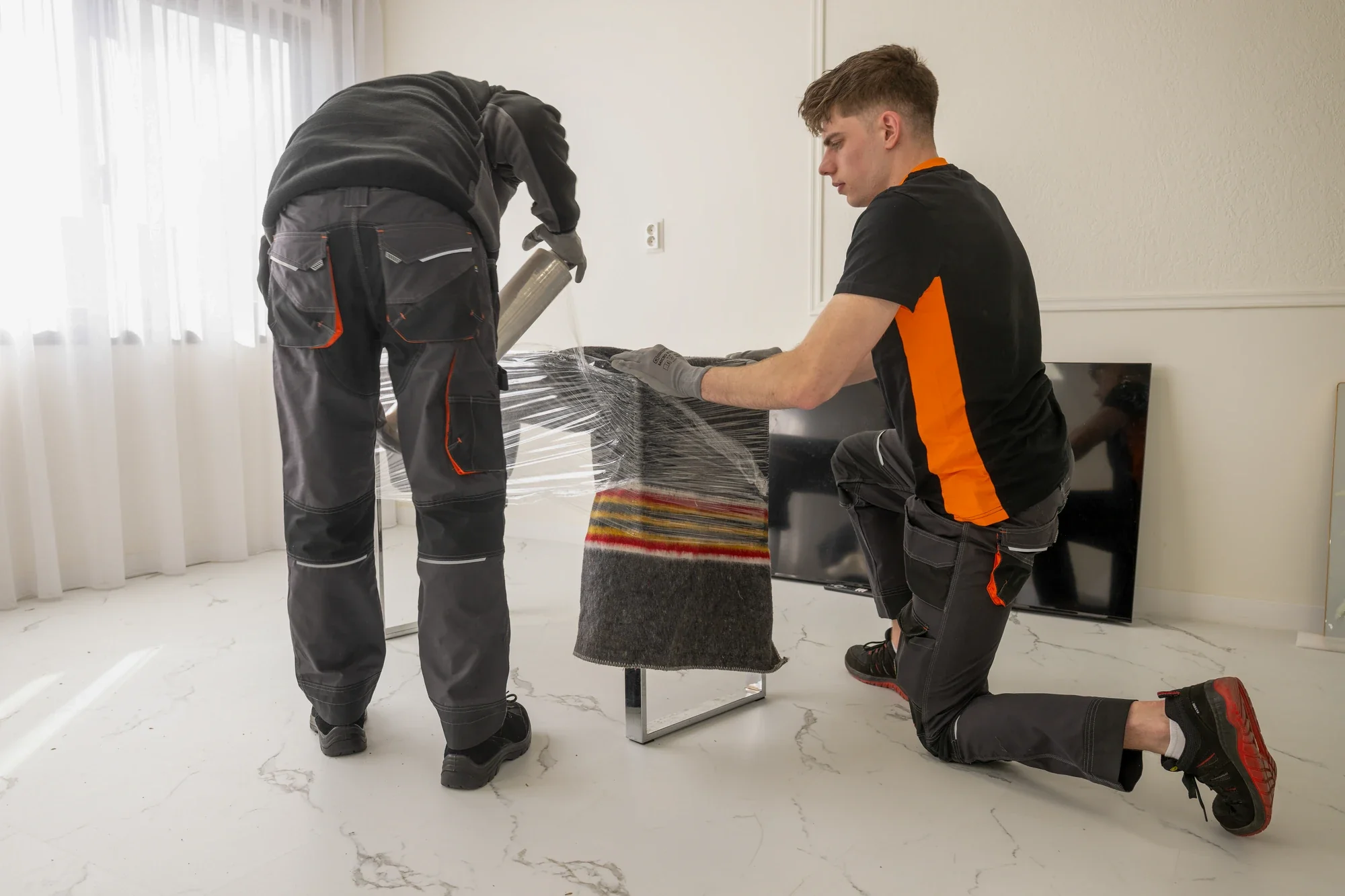
We help at step one by taking things to the new room, and at step four with the rest. After a free site visit you receive a fixed price within 24 hours. Usable furniture goes to a second-hand shop or a charity, we separate the rest and the property is handed over broom clean. How that works is set out on the house clearance page.
Later: the room in the nursing home
It is not a pleasant thought, but it is good to know. If your relative dies in the nursing home, the next of kin have seven days to empty the room under the general terms and conditions of ActiZ and BTN. There is not much in it by then. If you already keep a list now of what went along from home, it will be simpler later.
Help in the Groene Hart
We regularly clear homes for older people and flats after the occupant has moved to a care placement, among other places in Bodegraven, Gouda and Alphen aan den Rijn. If you live further away yourself, the site visit can take place by video call and we collect the key from the housing association or the estate agent.
If the handover date is already fixed, pass it on through the contact page or call 085 7444 039. The site visit is usually possible within 1 to 3 working days.