Preparing a house for sale happens in two rounds. The first is for the photographs and the viewings: tidy, light and without a full loft that puts a buyer off. The second is for the transfer at the civil-law notary. By then the property has to be empty, apart from the items you have agreed with the buyer.
For the first round you decide yourself how far you go. The second is laid down in the purchase agreement, with a date and a penalty if you do not manage it.
Round one: tidying up for the sale
Whether an empty house sells better than a furnished one cannot be said with hard figures. The percentages you read about this mostly come from companies that sell styling. What estate agents do keep saying: a buyer has to be able to see the space. That does not work in a room full of furniture or a shed that is packed to the rafters.
If you still live there, take away what you will not need in the coming months. With a parental home that stands empty, the choice is different. Half empty is the least favourable: a lonely sofa and bare patches on the wallpaper mainly show what has gone. In that case completely empty and clean is better, or leaving a few pieces of furniture in place until after the photographs.
- Loft, shed and garage firstThose are the places where a buyer is put off by the work that awaits him.
- Personal belongings outPhotographs, post and medicines do not belong in the sales photographs.
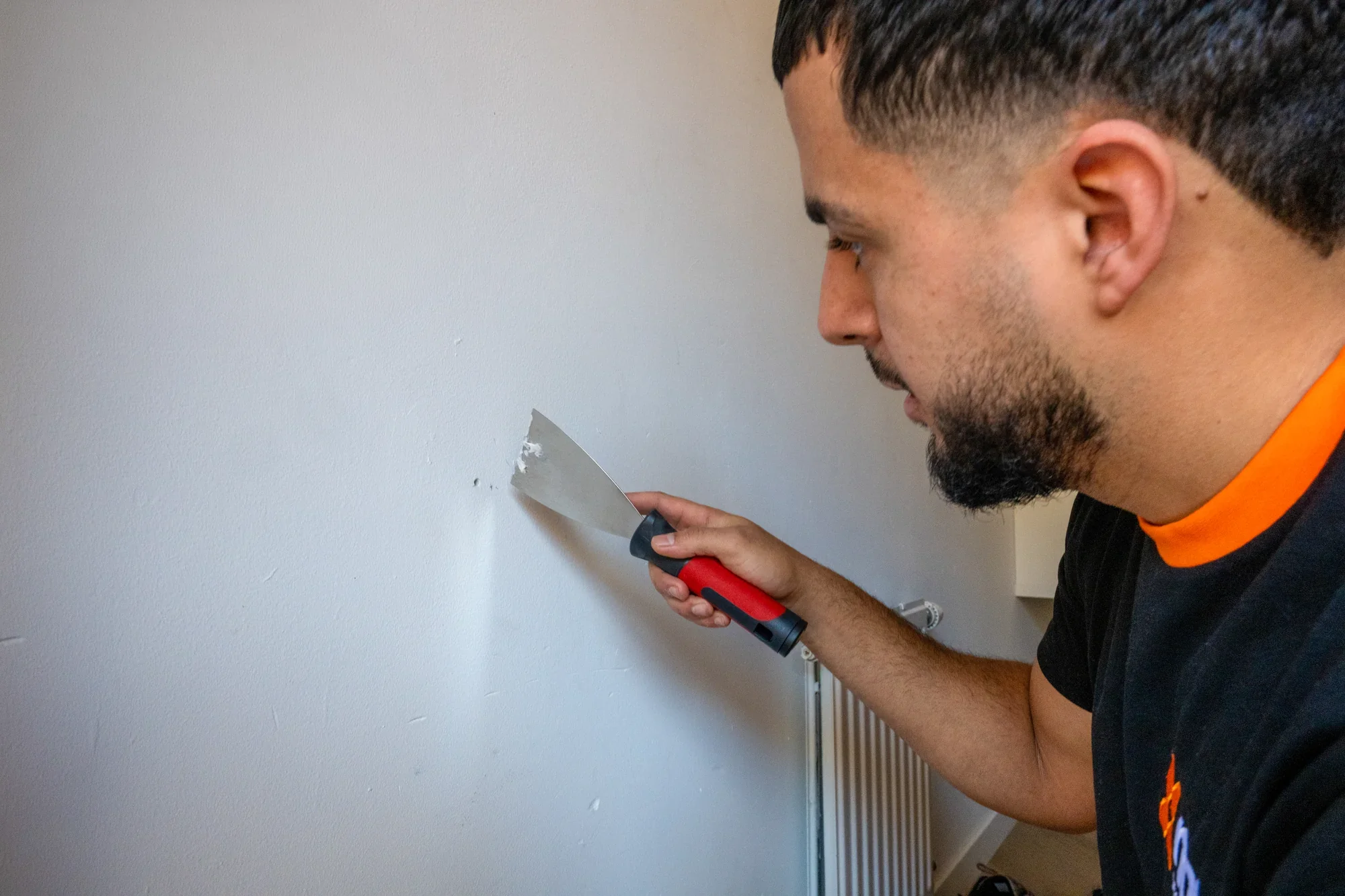
- Repair small defectsA dripping tap and a sticking door cost little and stand out at a viewing.
- Keep up the gardenCertainly if the house stands empty. An overgrown garden gives the impression that nothing has been done to the house either.
The energy label
A valid energy label is compulsory for a sale. The Inspectie Leefomgeving en Transport, the Human Environment and Transport Inspectorate, checks this, and in 2026 the fine for a private individual is € 550. A label is valid for ten years, so first check whether there still is one. With a parental home it is often missing. Apply for it before the property goes online, because an adviser has to come round for it.
What the purchase agreement says: vacant and cleared
Most homes are sold with the standard purchase agreement of, among others, NVM, VBO, Vastgoedpro and Vereniging Eigen Huis. It states that at completion the property is vacant and cleared (“leeg en ontruimd”), with the exception of the movable items that have been sold with it.
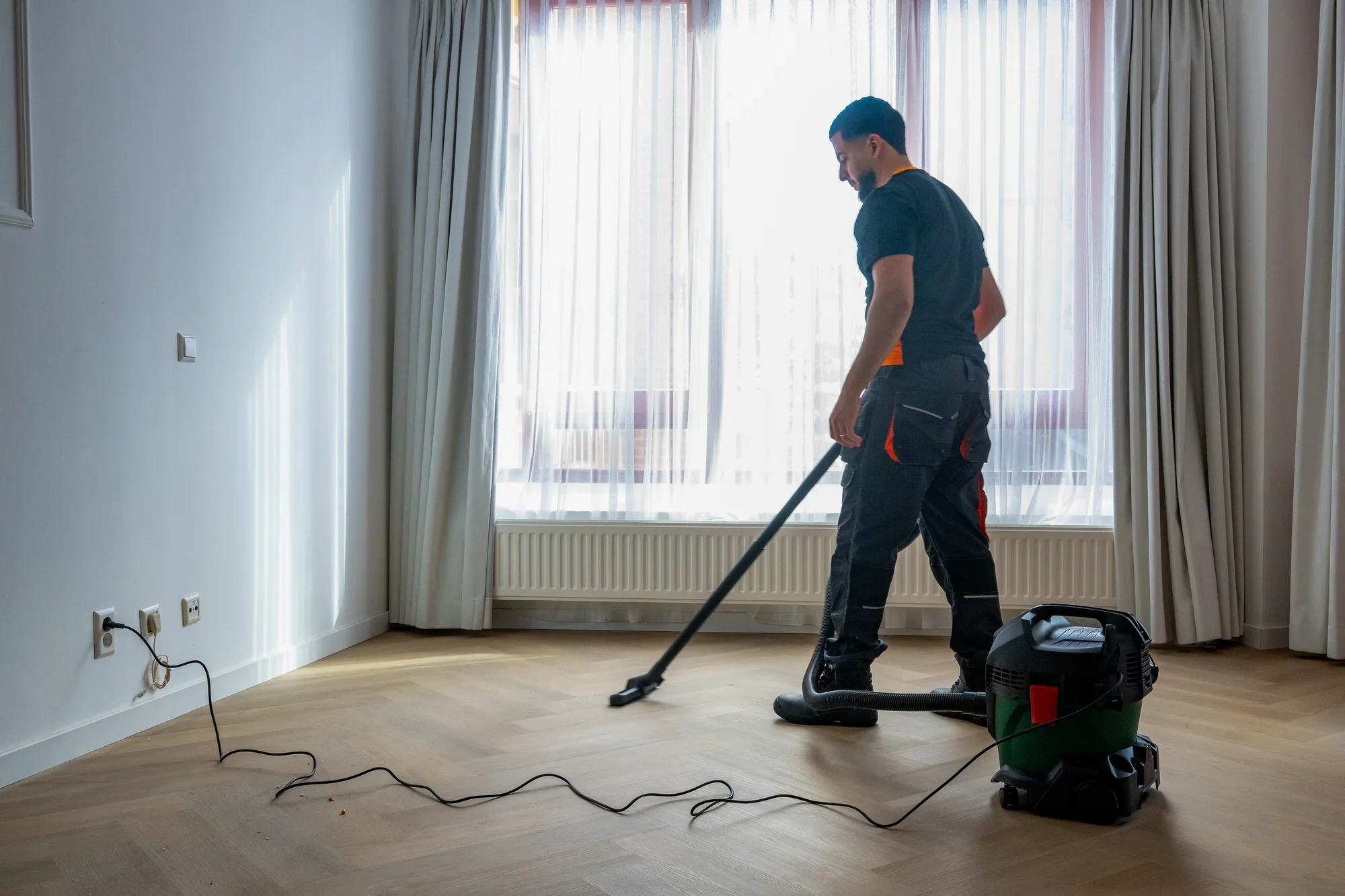
The term broom clean is not in that standard agreement. It is a custom and sometimes an additional agreement. A buyer does expect it, and a property where rubbish is still lying around is not vacant either. So count on swept floors, empty cupboards and an empty shed.
The buyer may view the property once more, inside and out, shortly before the deed is signed. That is in the standard agreement too. That inspection usually takes place on the day itself, an hour before the appointment at the notary. Whatever is still there at that point is put on the table.
The list of fixtures and fittings: what stays and what goes
The purchase agreement comes with a list of fixtures and fittings (the “lijst van zaken”). On it you tick for each item whether it stays behind, goes with you or can be taken over. What you tick as staying behind has to be there at the transfer. What you tick as going with you has to be gone.
- Floors and window coveringsLaminate, carpet, curtains and rails. If the buyer asks for a bare floor, it has to come out, skirting boards included.
- LightingRecessed spotlights usually stay, pendant lights often go with you. You finish off loose wires with a terminal block.
- Kitchen appliancesBuilt-in appliances generally stay, a freestanding fridge or washing machine does not.
- OutsideSummer house, shed, awning, decking and planters. This is where most of the confusion arises.
- What nobody mentionsThe paint tins in the cellar, the planks in the loft, the bicycles in the storeroom. If it is not on the list, it has to go.
If you are filling in the list for the house of a deceased parent, walk through the house first. Anyone who ticks by feel promises things that are no longer there.
If the house is not empty on the day of transfer
Then you are not performing the agreement. The standard agreement gives the buyer two options. He can give you notice of default, and if you are still in default eight days later, he can dissolve the purchase with a penalty of ten per cent of the purchase price. Or he holds you to the purchase and claims a penalty of three per mille of the purchase price per day, up to the same maximum.
For a property of € 400.000, three per mille is € 1.200 per day. It rarely gets that far, because the parties usually agree a solution at the notary. But you are then negotiating under pressure, on a day when the buyer is standing at the door with a removal van.
Selling a parental home
Heirs sell a property in which they have not lived themselves, or have not lived for a long time. There are two clauses for this that the estate agent adds on request:
- The non-occupancy clauseIt states that the seller has not lived in the property and is therefore not aware of defects that an occupant would know about.
- The age clauseFor an older property it limits the seller’s liability for defects that come with the age of the house.
Neither is in the standard agreement by default. Wait to empty the house until the heirs agree and the estate has been accepted. Why that is necessary is explained in the step-by-step plan for the bereaved.
Counting back from the transfer
- As soon as the agreement is signedPut the date of completion in your diary and check the list of fixtures and fittings in the property itself.
- Six weeks beforeThe family sorts out what stays. Request a site visit from a house clearance company if you are not doing it yourself.
- Two to three weeks beforeThe clearance, including floors and rails if the buyer asks for that. That leaves you room for repair work.
- The week beforeCleaning, noting the meter readings, cancelling energy and water with effect from the day of completion.
- The day itselfAll the keys, the manuals and the guarantee certificates go with you to the notary.
If you are unsure whether to do it yourself or have it done, read clearing a house: do it yourself or hire someone.
Having the house cleared for the sale
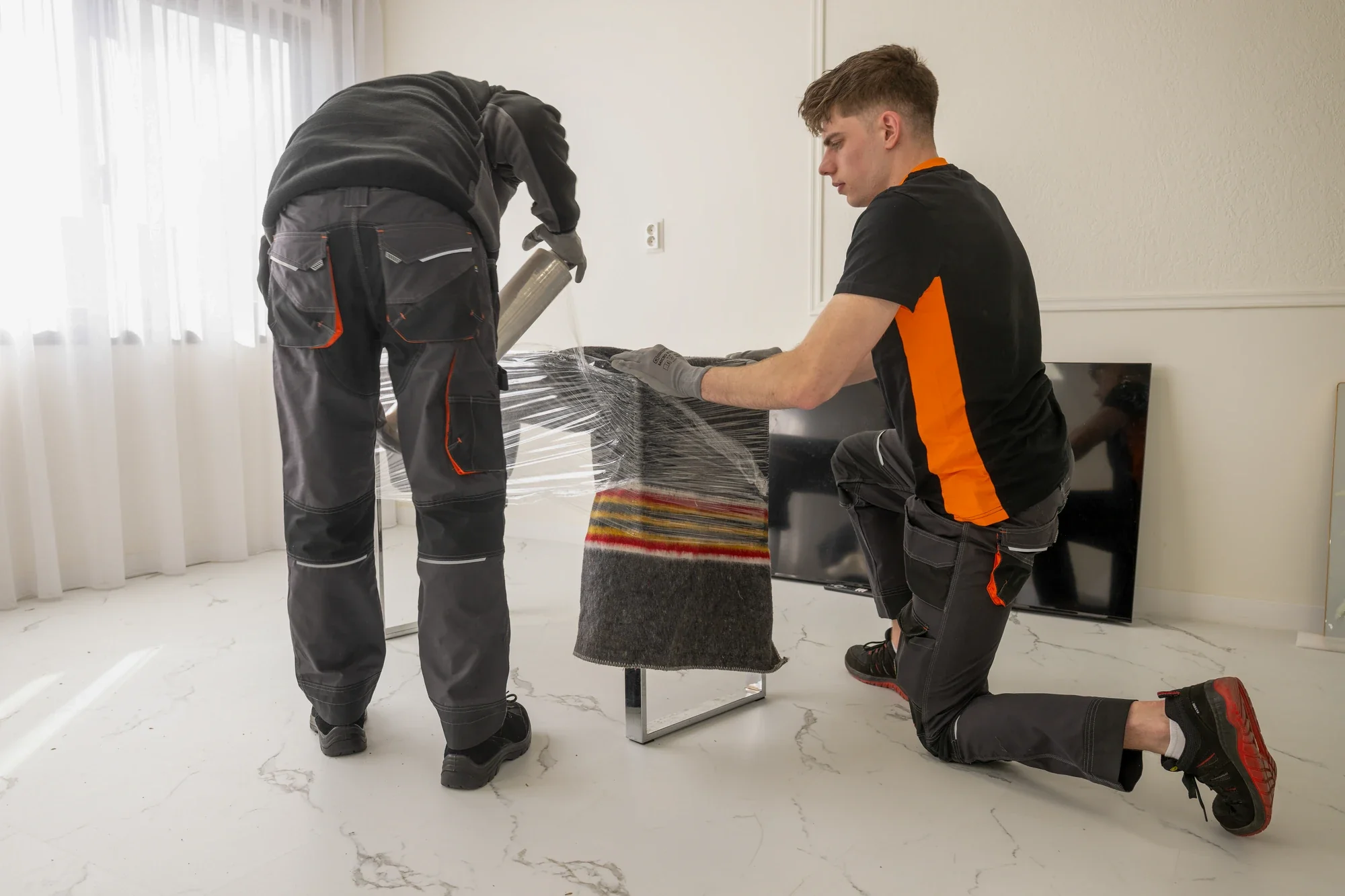
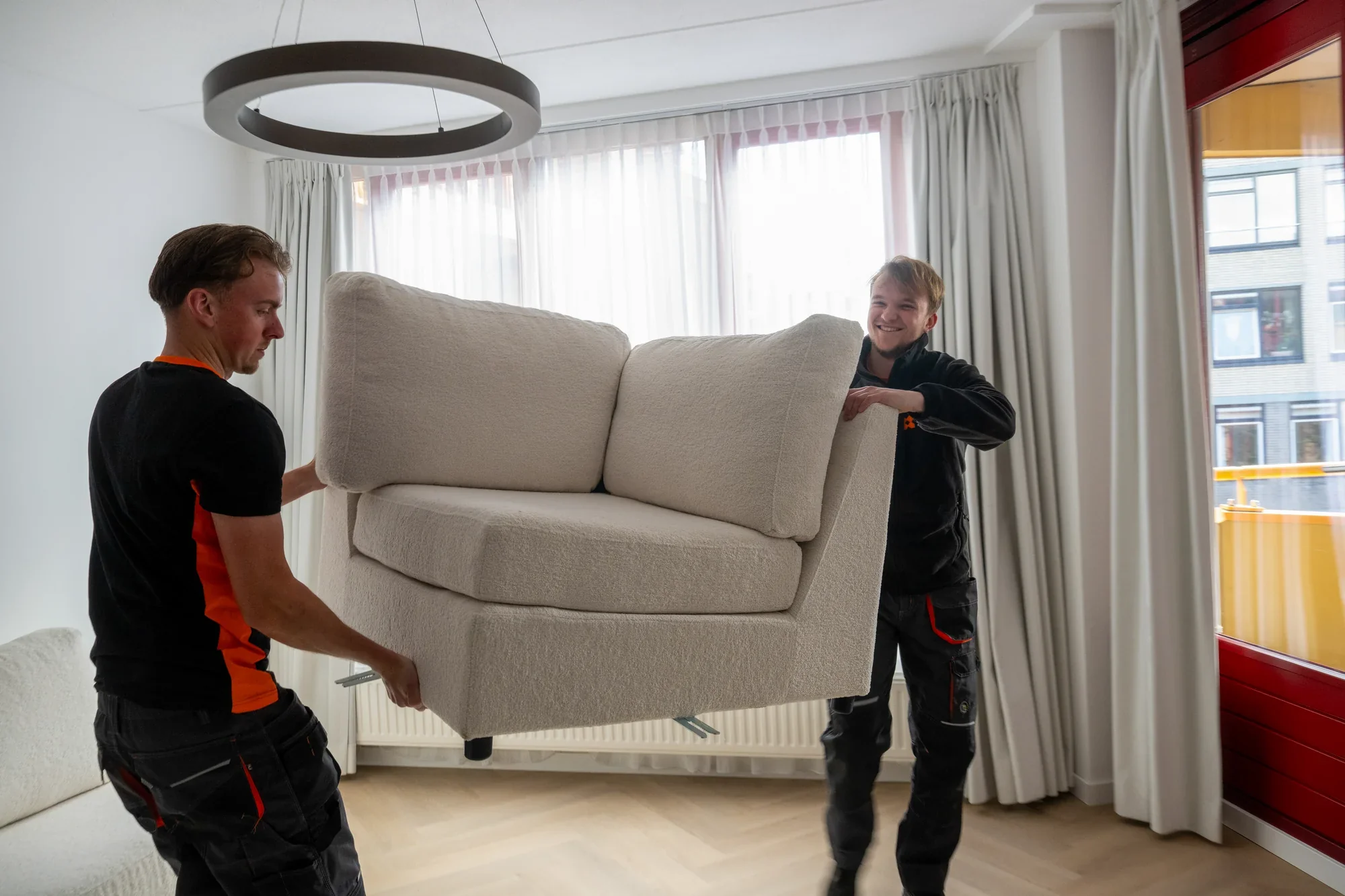
We clear homes for sale, on the instructions of owners, heirs and estate agents. We remove floors, curtain rails and light fittings on the same day if the buyer asks for that. We collect the key from the estate agent and return it there, and afterwards you receive photographs of every empty room. You can forward those to the buyer before he comes to inspect.
The site visit is free and after that the price is fixed. You can read more on the house clearance page. If the date at the notary is already close, have a look at urgent clearance. We work across the whole Groene Hart, including in Leiden and Zoetermeer. Call 085 7444 039 or use the contact page and mention the date of completion.